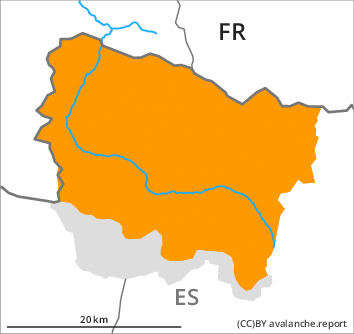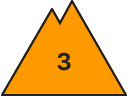
Danger level
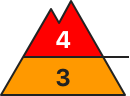
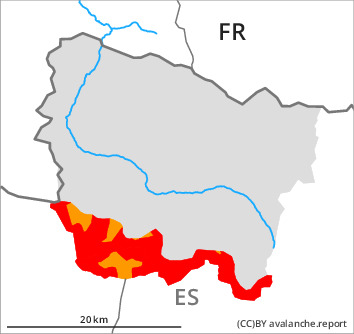
2000m
Avalanche Problem
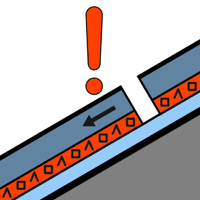
Persistent weak layer

2000m

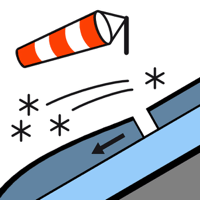
Wind slab
Treeline

The avalanche conditions remain very dangerous.
Weakly bonded old snow on shady slopes. New snow and wind slabs.
Faceted weak layers exist in the bottom section of the snowpack on shady slopes. Especially transitions from a shallow to a deep snowpack, when entering gullies and bowls for example: Weak layers in the old snowpack can be released very easily. Remotely triggered and natural avalanches are possible. Sometimes the avalanches are very large.
The southerly wind will transport the new snow significantly. In particular adjacent to ridgelines and in gullies and bowls as well as above the tree line large wind slabs will form. These can be released by people or triggered naturally.
The new snow can be released easily or naturally in all aspects. More dry snow slides and avalanches are to be expected as the day progresses, even medium-sized ones. As a consequence of warming during the day and solar radiation moist snow slides are to be expected.
Individual gliding avalanches can also occur.
Backcountry touring and other off-piste activities call for extensive experience and great restraint.
The southerly wind will transport the new snow significantly. In particular adjacent to ridgelines and in gullies and bowls as well as above the tree line large wind slabs will form. These can be released by people or triggered naturally.
The new snow can be released easily or naturally in all aspects. More dry snow slides and avalanches are to be expected as the day progresses, even medium-sized ones. As a consequence of warming during the day and solar radiation moist snow slides are to be expected.
Individual gliding avalanches can also occur.
Backcountry touring and other off-piste activities call for extensive experience and great restraint.
Snowpack
>
Distinct weak layers exist in the old snowpack in particular on rather lightly snow-covered west, north and east facing slopes. 30 to 40 cm of snow, and even more in some localities, has fallen since Monday.
Wednesday: The weather will be partly cloudy. The southerly wind will transport the new snow significantly.
At intermediate altitudes there are 80 to 120 cm of snow, and even more in some localities. At elevated altitudes snow depths vary greatly, depending on the infuence of the wind.
Wednesday: The weather will be partly cloudy. The southerly wind will transport the new snow significantly.
At intermediate altitudes there are 80 to 120 cm of snow, and even more in some localities. At elevated altitudes snow depths vary greatly, depending on the infuence of the wind.
Tendency
Thursday: Some snow will fall over a wide area. The danger of dry avalanches will decrease gradually.