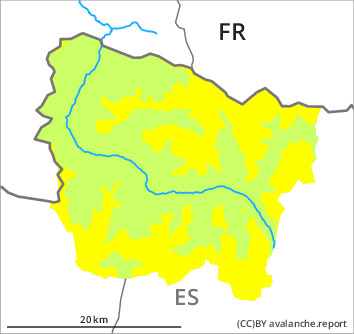
Danger level

2200m
Avalanche Problem
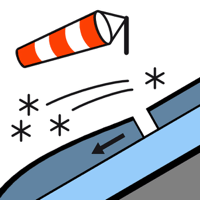
Wind slab

2200m

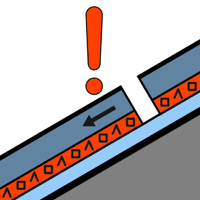
Persistent weak layer
2300m


Wind slabs and weakly bonded old snow represent the main danger.
Fresh and somewhat older wind slabs are mostly easy to recognise but prone to triggering. On wind-loaded slopes small dry avalanches are possible. In particular in the south and in the east and above approximately 2200 m the avalanche prone locations are more prevalent.
In particular areas where the snow cover is rather shallow, shady slopes: Weak layers in the old snowpack can be released in isolated cases in particular adjacent to ridgelines. Sometimes the avalanches in these loacations are medium-sized.
Ski touring and other off-piste activities, including snowshoe hiking, call for caution and restraint.
In particular areas where the snow cover is rather shallow, shady slopes: Weak layers in the old snowpack can be released in isolated cases in particular adjacent to ridgelines. Sometimes the avalanches in these loacations are medium-sized.
Ski touring and other off-piste activities, including snowshoe hiking, call for caution and restraint.
Snowpack
>
In particular shady slopes and in the vicinity of peaks: The snowpack is soft; its surface is loosely bonded and consists of surface hoar and faceted crystals.
As a consequence of the moderate to strong southerly wind, fresh snow drift accumulations will form in the course of the day. The fresh and older wind slabs are lying on unfavourable layers in particular on shady slopes in high Alpine regions. Field observations and stability tests confirm this situation.
Sunny slopes as well as low and intermediate altitudes: The surface of the snowpack will hardly soften at all.
At intermediate altitudes there are 30 to 50 cm of snow, and even more in some localities. At elevated altitudes snow depths vary greatly, depending on the infuence of the wind.
As a consequence of the moderate to strong southerly wind, fresh snow drift accumulations will form in the course of the day. The fresh and older wind slabs are lying on unfavourable layers in particular on shady slopes in high Alpine regions. Field observations and stability tests confirm this situation.
Sunny slopes as well as low and intermediate altitudes: The surface of the snowpack will hardly soften at all.
At intermediate altitudes there are 30 to 50 cm of snow, and even more in some localities. At elevated altitudes snow depths vary greatly, depending on the infuence of the wind.
Tendency
Rapid increase in danger of dry avalanches as a consequence of new snow and strong wind.